Investing in commodity ETFs
Which is the best commodity ETF?

Commodity ETFs are an attractive investment option for investors who want to invest in physical commodities without having to actually buy and store them. They allow investors to profit from price movements and global demand for commodities.
In this guide, you’ll learn how to find the best commodity ETF for your investment needs, why this investment strategy can be a good fit, and what advantages and disadvantages it entails.
Facts about commodity ETFs
Edel- und Industriemetall, Vieh, Energie, Agrar
various
Production, Store of Value, Food
Mining, Extraction, Breeding, Cultivation
Source: extraETF, data as of: 5 Jun 2024
Explore a wide range of ETFs across different themes, markets, and investment strategies. Whether you’re looking to diversify your portfolio or invest in specific trends, find the right ETFs in just a few clicks.
Do commodity ETFs make sense?
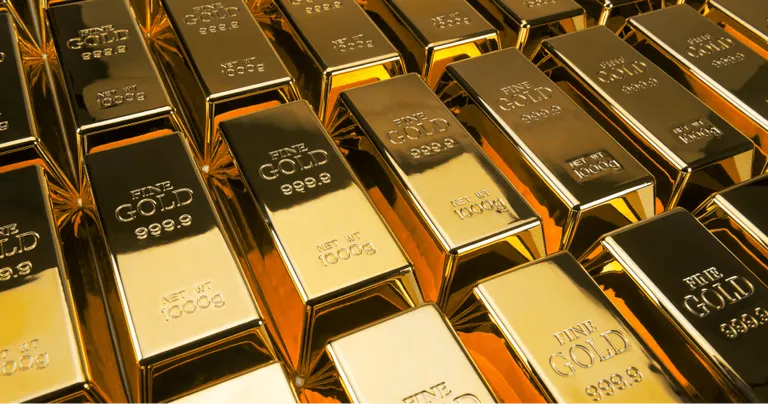
Commodity ETFs offer the opportunity to diversify a portfolio and benefit from movements in commodity prices. They are particularly well-suited as a hedge against inflation, as commodities tend to appreciate in value when inflation rises. One example is gold, which is often viewed as a “safe haven” during times of economic uncertainty.
However, investors should be mindful of the volatility and specific risks of the commodities market (key terms: backwardation and contango) as well as seasonality. The various commodity segments—such as energy commodities, industrial metals, precious metals, livestock, and agricultural commodities—naturally offer equally diverse opportunities and risks.

Good to know: Backwardation and contango describe the price structures of futures contracts in commodity markets and are critical for commodity ETFs. Backwardation occurs when future delivery prices are lower than current spot prices, which can lead to positive roll yields and higher ETF returns. Contango, on the other hand, means that future delivery prices are higher than spot prices, leading to negative roll yields and lower ETF returns. Investors should keep these concepts in mind when investing in commodity ETFs, as they can significantly impact total returns.
What types of raw materials are there?
Commodities can be divided into various categories, each with specific characteristics and applications. The most important types of commodities include energy commodities, precious metals, industrial metals, agricultural commodities, and livestock. Each of these categories encompasses a wide variety of individual commodities that are used in different industries and for various applications.
Here is an overview of the most important types of commodities:
- Energy commodities: Crude oil (Brent, WTI), natural gas, coal, heating oil, gasoline
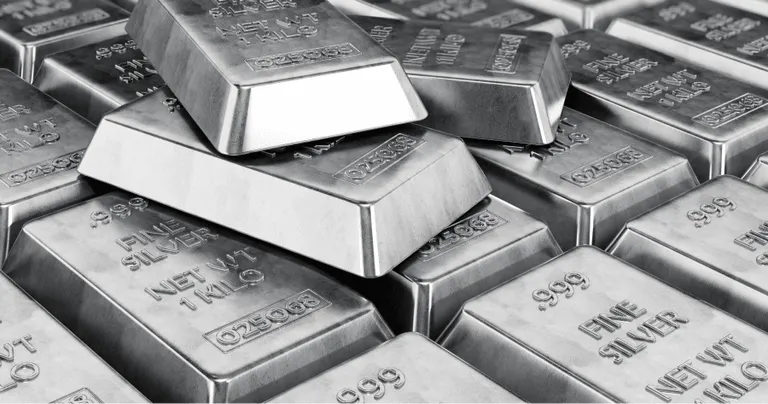
- Precious metals: Gold, silver, platinum, palladium
- Industrial metals: Copper, aluminum, nickel, zinc, lead, iron
- Agricultural commodities: Wheat, corn, soybeans, rice, sugar, coffee, cocoa, cotton
- Livestock: Live cattle, feeder cattle, pigs
What opportunities are there to invest in commodities?
Investors can invest in commodities in various ways. Each of these options has its own advantages and disadvantages.
- Commodity stocks: Offer the opportunity to invest in companies involved in commodity production or extraction, such as oil stock ETFs.
- Futures: Are direct contracts on commodity prices.
- ETCs (Exchange Traded Commodities): Similar to ETFs, but usually tailored specifically to individual commodities.
- Broadly diversified commodity ETFs: Offer a mix of various commodities and are ideal for investors seeking broad diversification.
Commodity ETFs in comparison
When comparing commodity ETFs, factors such as the total expense ratio (TER), liquidity, the type of custody (physical vs. synthetic), and the composition of the commodity ETF should be taken into account.
The information in the following table answers these and other questions to help you make an informed decision.
Performance comparison of the best commodity ETFs
The performance of commodity ETFs depends heavily on the performance of the underlying commodity index. However, differences in costs and tracking accuracy can lead to slight deviations in performance. Historical performance data should therefore be reviewed regularly to identify the best commodity ETFs.
Note: Past performance is no guarantee of future results.
A comparison of the largest commodity ETFs
Here you’ll find a comparison of the largest commodity ETFs. An ETF should have assets under management of at least 100 million euros to be viable for the ETF provider. This reduces the risk that the ETF will be closed. The largest commodity ETFs by assets under management include:
Join the extraETF community

Explore the world of ETFs and make informed investment decisions.
- Find ETFs that match your criteria with our ETF Search.
- Compare costs, performance, and risk side by side.
- Save your favourites to a watchlist and receive price alerts.
- Explore detailed ETF profiles with key metrics and holdings.
Which is the cheapest commodity ETF?
The lowest-cost commodity ETFs are characterized by low total expense ratios (TER). Here you’ll find a comparison of the lowest-cost commodity ETFs. Be sure to consider the total costs of ETFs.

Advantages of commodity ETFs
We’ve summarized the key benefits of commodity ETFs for you here. Here are the points you need to keep in mind.
- Diversification: Commodity ETFs offer broad exposure across various commodities.
- Inflation protection: They can serve as a hedge against inflation.
- Ease of use: Commodity ETFs are easy to buy and sell.
- Cost-effectiveness: They offer a cost-effective way to invest in commodities.

Disadvantages of commodity ETFs
We’ve summarized the key drawbacks of commodity ETFs for you here. These are the points you need to keep in mind.
- Volatility: Commodity markets can be highly volatile.
- Complexity: Commodity ETFs can have complicated structures and pricing mechanisms.
- Market risks: They are susceptible to political and economic changes.
- Costs: Some commodity ETFs can have high management fees.

Conclusion: This is the best commodity ETF
The best commodity ETF is the one that best suits you, your investment strategy, and your financial situation. The differences between the commodity ETFs featured in this guide can be significant. That’s why it’s important to take a close look at the composition of the indices.
You can use the ETF search tool to analyze all commodity ETFs in detail.
Frequently asked questions about commodity ETFs

Affiliate notice *
Links marked with an asterisk (*) are advertising or affiliate links. If you purchase or sign up through this link, we receive compensation from the provider. This comes at no additional cost or disadvantage to you. We use this revenue to fund our free services. Thank you for your support.
- Facts about commodity ETFs
- Do commodity ETFs make sense?
- What types of raw materials are there?
- What opportunities are there to invest in commodities?
- Commodity ETFs in comparison
- Performance comparison of the best commodity ETFs
- A comparison of the largest commodity ETFs
- Which is the cheapest commodity ETF?
- This is the best commodity ETF
- Frequently asked questions about commodity ETFs